History Of Korean War Timeline
The Korean War broke out on 25 June 1950, when forces of the Democratic People's Republic of Korea crossed the 38th parallel into the Republic of Korea, and it would run for just over three years until the armistice of 27 July 1953. What began as a sudden invasion quickly grew into an international conflict, drawing in the United Nations, the United States, China and the Soviet Union, and it left the peninsula divided in much the same way it had been when the fighting began. The war is now widely recognised as the first major armed conflict of the Cold War, and its timeline offers a clear record of invasion, counter-attack, stalemate and uneasy truce. Its legacy is still felt today in the heavily fortified border that runs through the peninsula, a line that has shaped the politics of north-east Asia for more than seventy years.
From Invasion to Counter-Attack: June to September 1950

In the opening weeks of the war, the North Korean advance was swift and relentless. Seoul, the southern capital, fell within three days, and by early August the defenders had been pushed back to a small perimeter around the port of Pusan in the south-east. The United Nations Security Council, with the Soviet Union absent from the chamber, authorised military assistance to the Republic of Korea, and the United States committed ground forces under the command of General Douglas MacArthur. The tide turned in September 1950 with the amphibious landing at Inchon, deep behind enemy lines. The landing caught the northern forces by surprise, severed their supply lines and threatened to trap them between the landing force and the main body of UN troops advancing from Pusan. Within weeks, Seoul had been recaptured and the front line pushed back towards the 38th parallel, before crossing beyond it into the north as the UN command sought to reunify the peninsula by force.
Stalemate and Armistice: 1951–1953

The rapid advance of the UN forces provoked a response from China, which entered the war in late October 1950 after warning that it would not tolerate foreign troops approaching the Yalu River. The Chinese intervention drove the front line back down the peninsula, and by the spring of 1951 the fighting had settled into a brutal stalemate roughly along the 38th parallel. For the next two years, the conflict came to resemble the trench warfare of an earlier generation, with fixed positions, bombardments and bitterly contested hills such as Pork Chop Hill and Heartbreak Ridge. Peace talks began at Kaesong in the summer of 1951 and later moved to Panmunjom, but they dragged on for two years while the fighting continued around them. Finally, on 27 July 1953, the armistice agreement was signed, establishing the Korean Demilitarised Zone that still separates the two states. The war never formally ended, however, because no peace treaty was ever signed, and the peninsula remains divided to this day. The timeline of the conflict stands as a sobering lesson in how quickly a local confrontation can escalate into a wider war, and how difficult it can be to bring such a war to a genuine conclusion.
【中学受験 理科】滑車の解き方完全ガイド|定滑車・動滑車の違いと攻略法を徹底解説 - 学びサジェスト
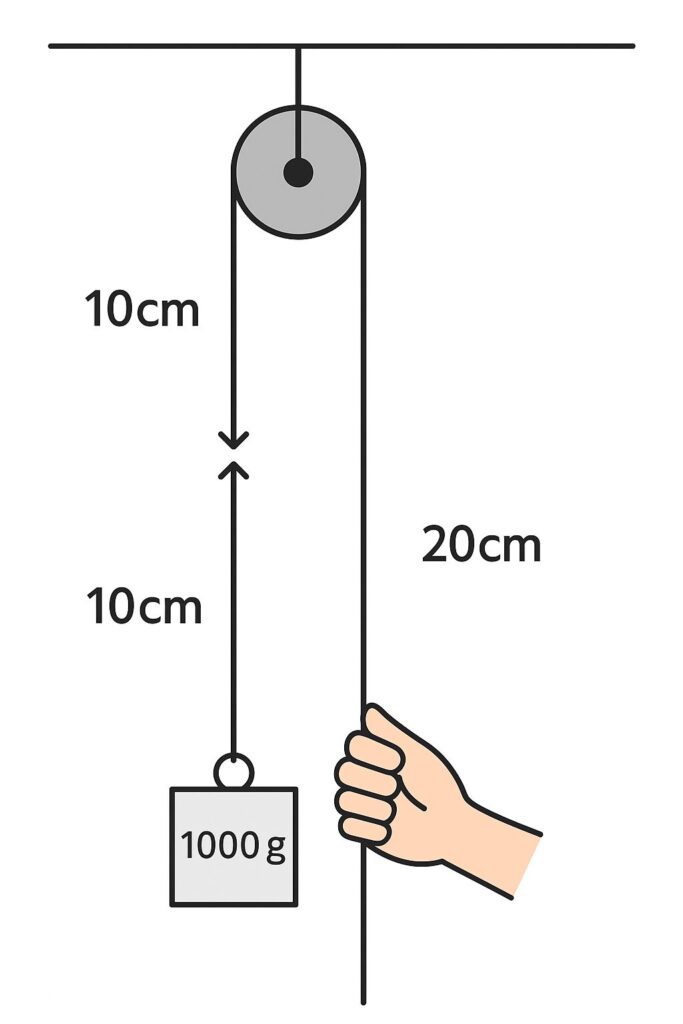
【中学受験 理科】滑車の解き方完全ガイド|定滑車・動滑車の違いと攻略法を徹底解説 - 学びサジェスト
滑車の活用例 – 滑車 使用方法 – NIIKZM

滑車の活用例 – 滑車 使用方法 – NIIKZM
滑車 – KINTAの独り言
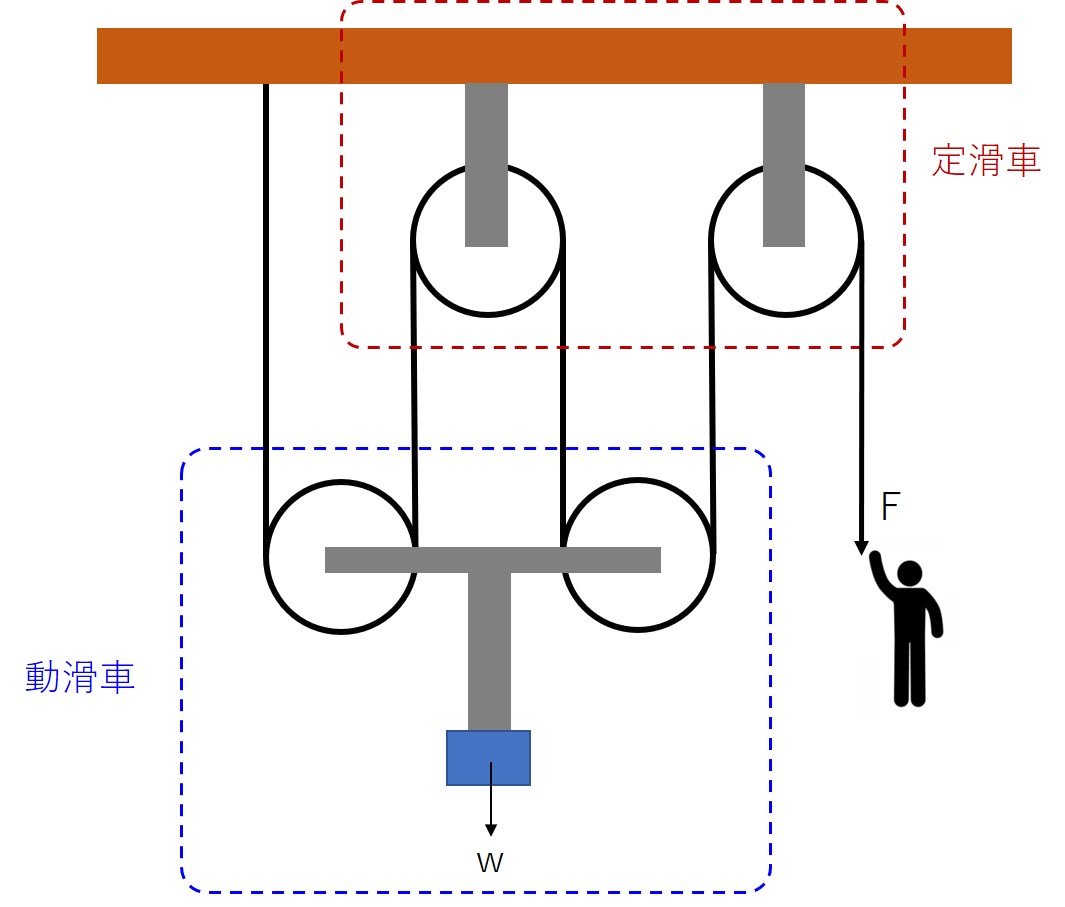
滑車 – KINTAの独り言
動滑車・定滑車を使って小さな力で物体を持ち上げよう!【仕事の原理】 | 理科の授業をふりかえる

動滑車・定滑車を使って小さな力で物体を持ち上げよう!【仕事の原理】 | 理科の授業をふりかえる
【中学受験 理科】滑車の解き方完全ガイド|定滑車・動滑車の違いと攻略法を徹底解説 - 学びサジェスト
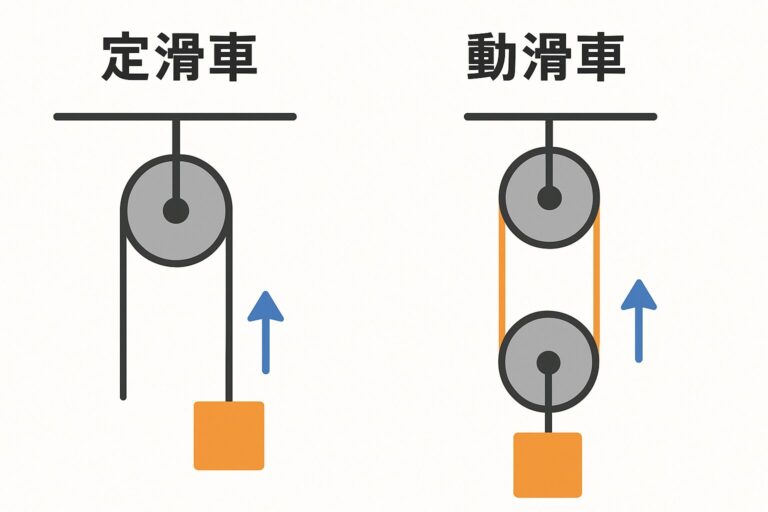
【中学受験 理科】滑車の解き方完全ガイド|定滑車・動滑車の違いと攻略法を徹底解説 - 学びサジェスト
滑車 – KINTAの独り言
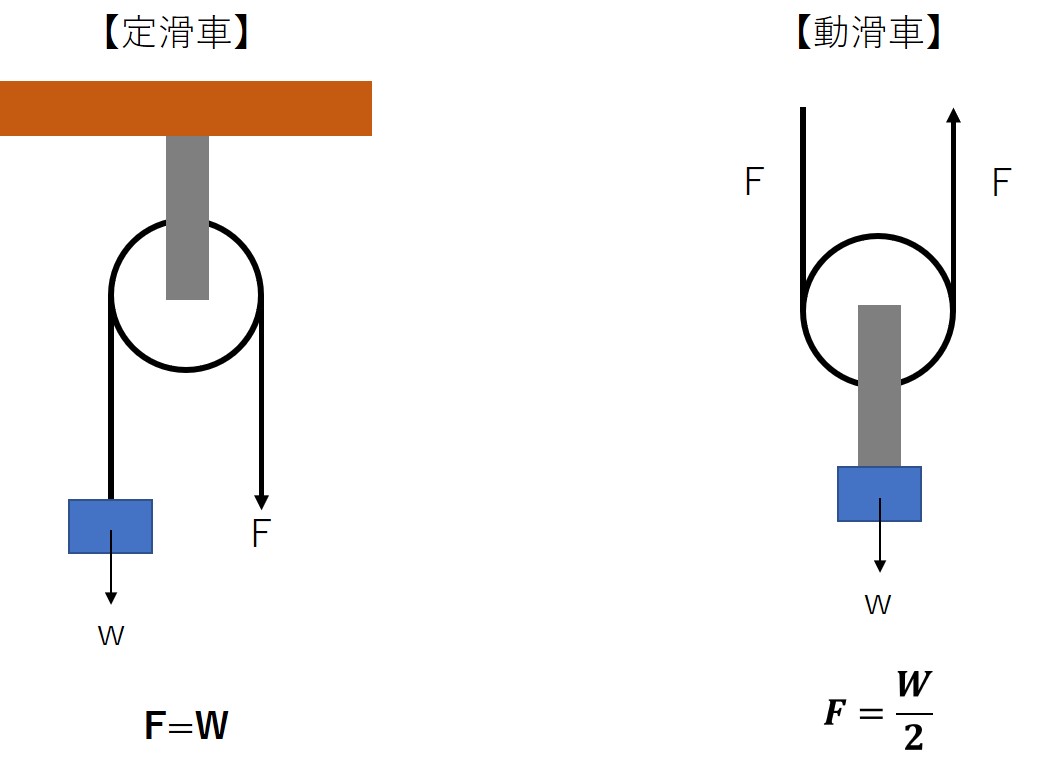
滑車 – KINTAの独り言
滑車 – KINTAの独り言
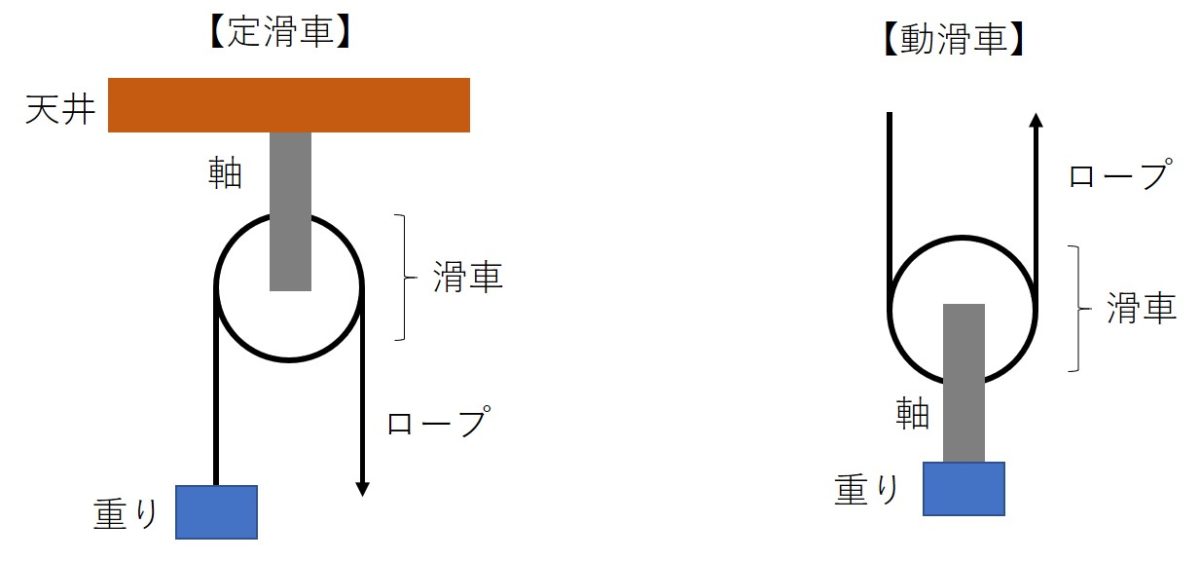
滑車 – KINTAの独り言