Uk Citizen Travel To Usa Visa Requirements
For most holders of a full British passport, a holiday, a family visit or a short business trip to the United States does not require a visa at all. The United Kingdom is a member of the US Visa Waiver Program, which means eligible travellers can enter for up to 90 days using an approved ESTA rather than applying for a visa. Get one detail wrong, however, and you can be turned away at the check-in desk before you have even cleared security, so it pays to understand exactly what is required and when a full visa becomes unavoidable.
Arriving Prepared: Why Planning Your Route Beats Improvising at the Terminal
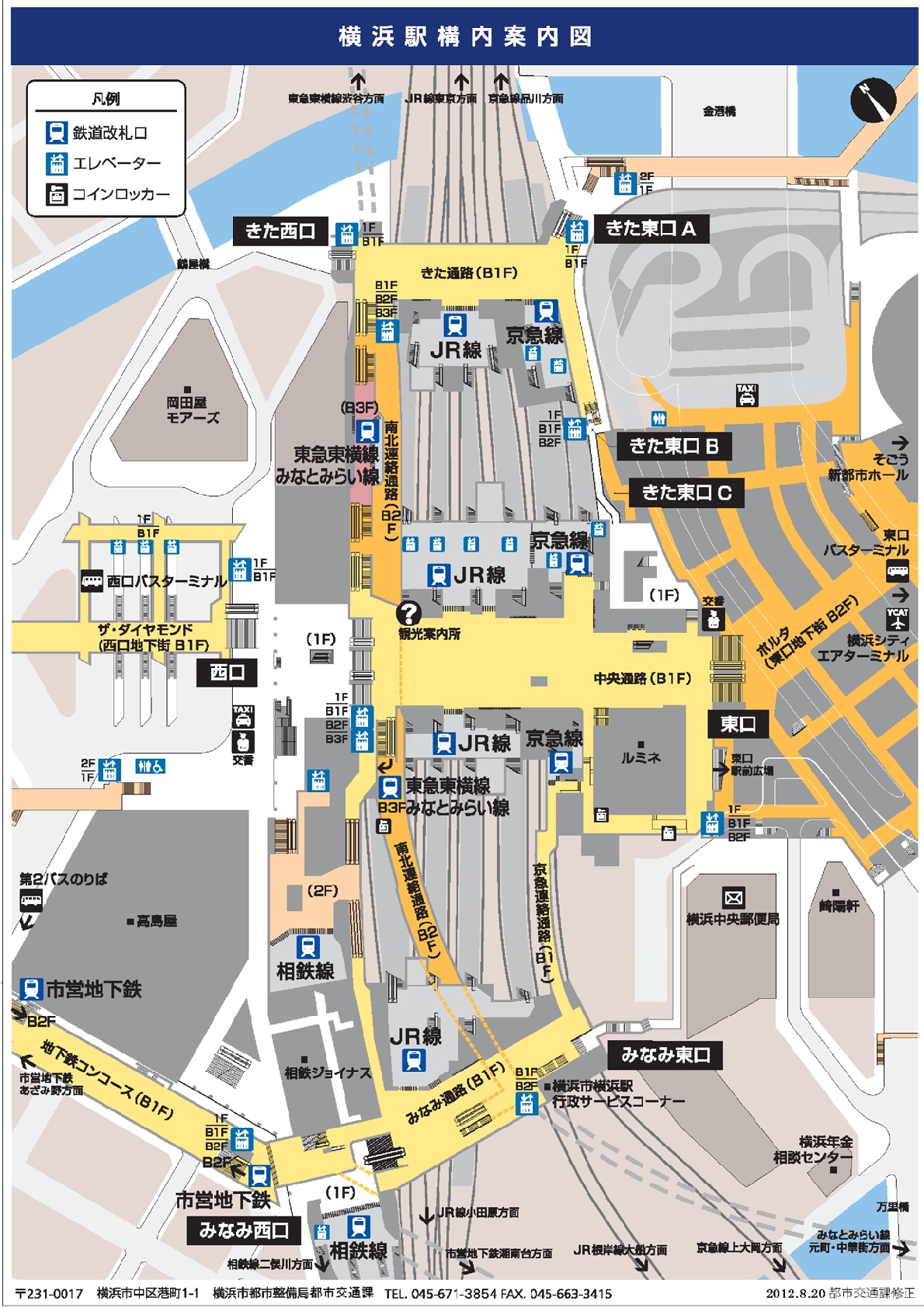
The paperwork is only half the journey. Once your ESTA is approved and your flight is booked, the practical work begins: knowing which terminal you land at, how you transfer to your accommodation, and how long immigration processing is likely to take. Large US airports such as Los Angeles, Chicago O'Hare and New York JFK are effectively small cities, and a clear understanding of the layout saves hours of anxious wandering. Print or download a terminal map before you leave, note your arrival hall, and confirm how you will reach your first night's lodging. Travellers who arrive with a plan clear customs, collect bags and reach the city with far less stress than those working it out on the spot.
Who Qualifies for the Visa Waiver Program
To travel visa-free you must hold a British citizen passport, and it must be a biometric or e-passport — the older, non-chipped style is not accepted under the program. You must also intend to stay for 90 days or less, be travelling for tourism, transit or business meetings rather than paid employment, hold a return or onward ticket, and have no criminal record or previous immigration violation. Anyone who has travelled to Cuba, Iran, Iraq, Libya, North Korea, Somalia, Sudan, Syria or Yemen since 2011 generally loses Visa Waiver eligibility and must apply for a visa instead, so declare past travel honestly.
Applying for an ESTA
The Electronic System for Travel Authorisation is applied for online and is normally approved within minutes, though it can take up to 72 hours, so apply at least three days before departure. Once granted, it is valid for two years or until your passport expires, whichever comes first, and covers multiple entries. Apply only through the official US government site; dozens of commercial lookalike websites charge inflated fees for the same form. The government fee is modest but has been adjusted in recent years, so check the current amount on the official portal rather than relying on older figures. Carry a printed copy of your approval, and be ready to provide your first night's US address on arrival.
When You Actually Need a Visa
A visa becomes mandatory if you plan to stay longer than 90 days, work for a US employer, study full-time, or if you are ineligible for the waiver. The B-2 visitor visa covers tourism and medical treatment; the B-1 covers business activities such as meetings and conferences. Applications are lodged through the US Embassy in London or the consulates in Belfast and Edinburgh, involve an online form, a fee, and usually an in-person interview. Processing can take weeks or months depending on demand, so apply well ahead of your intended travel date. Bring evidence of ties to the UK — employment, property, family — as consular officers assess whether you intend to return.
Practical Pointers Before You Fly
Ensure your passport will remain valid for the whole of your stay, and ideally for six months beyond, as some carriers apply that rule regardless. Keep your ESTA confirmation, accommodation details and onward ticket accessible offline. On the plane you will complete a customs declaration, and the electronic I-94 record of your entry is generated automatically — retrieve it online after landing if you need proof of your admission date. Finally, never overstay: breaching the terms of the waiver forfeits your right to use it again and is far more costly to fix than a correctly filed application ever would be.